










Rugged Phones for Agriculture & Forestry Work: What to Look For
TL;DR
- Farm and forestry work exposes a phone to mud, dust, chemical residue, irrigation spray, and temperature swings from freezing dawn chores to a hot cab at midday — most consumer phones don't survive a season of that.
- Look for actual IP68/IP69K dust and water ratings and MIL-STD-810H testing, not just a marketing label.
- Battery life matters here more than in almost any other use case — a charger can be a field, a forest block, or a full day away. 20,000mAh+ batteries and fast charging close that gap.
- PoC (Push-to-Talk over Cellular) replaces a separate radio for crew coordination across a large property — but it still needs a cellular or Wi-Fi connection, unlike a two-way radio.
- For genuinely remote parcels with no signal at all, two-way satellite messaging is the fallback that PoC can't cover.
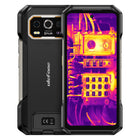
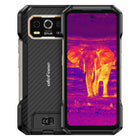
- Thermal imaging is a practical, underused tool for spotting overheating equipment, irrigation leaks, and early livestock health issues.
Why Regular Phones Don't Survive a Season on the Farm
Agriculture and forestry work is hard on hardware in ways an office job never tests for. A phone gets dropped from a tractor cab or a ladder, rides in a pocket next to fertilizer or diesel residue, gets rained on during irrigation checks, and swings between a freezing pre-dawn feed run and a 100°F+ combine cab by early afternoon. None of that is covered by a phone case — dust and moisture get in through the charging port, the speaker mesh, and the SIM tray long before the screen ever cracks.
That's the gap a rugged phone is built to close: sealed ports, reinforced housing, and hardware that's actually tested against these conditions rather than just marketed as "tough."
The Certifications That Actually Matter
Two ratings do the real work here, and it's worth knowing what each one covers before you buy on the label alone:
- IP68 / IP69K — IP68 covers dust-tight sealing and temporary submersion, which handles rain, irrigation spray, and an accidental drop in a trough. IP69K adds resistance to high-pressure, high-temperature water jets — relevant if you hose down equipment, boots, or your hands after handling chemicals or after a day in the barn.
- MIL-STD-810H — covers drop resistance, vibration (relevant for anything that rides on a tractor, ATV, or trailer over rough ground all day), and temperature/humidity extremes.
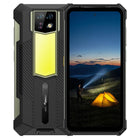
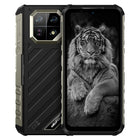
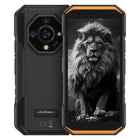
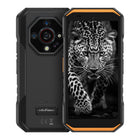
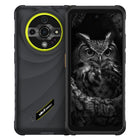
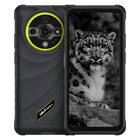
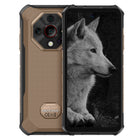
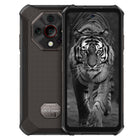
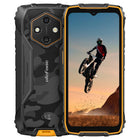
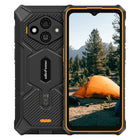
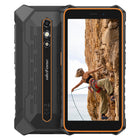
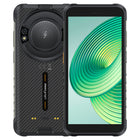
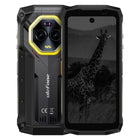
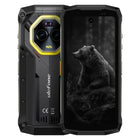
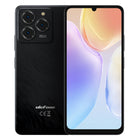
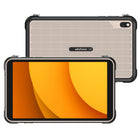
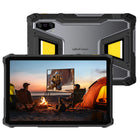
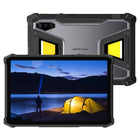
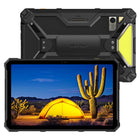
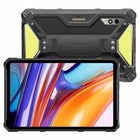
Ulefone's Armor lineup is built and tested to both standards, which is a meaningfully different bar than a phone that's simply sold in a rugged-looking case.
Battery Life Has to Outlast the Workday — and Then Some
Field and forestry days routinely run 10-plus hours away from an outlet, and GPS mapping, in-field photos, and radio/PoC use all drain a battery faster than typical use. This is one use case where battery capacity matters more than almost anywhere else — see our big battery explainer for how mAh ratings translate to real runtime.
Ulefone builds several models specifically for this: the Armor 24 Pro carries a 22,000mAh (Typ) battery, the Armor 29 Ultra runs 21,200mAh, and both the Armor 34 Pro+ and the Armor 33 series push to 25,500mAh — all aimed at multi-day use between charges. Fast charging (USB PD/PPS) means a lunch break at the farmhouse is enough to top back up rather than needing a full overnight charge.
Staying Connected When There's No Signal
Large acreage and tree cover routinely put fields, orchards, and forest blocks outside normal cell coverage — and that's a genuine safety issue, not just an inconvenience.
Two different Ulefone features solve two different versions of this problem, and it's worth being precise about which is which:
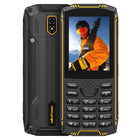
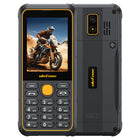
- PoC (Push-to-Talk over Cellular), available on the Armor 26 Ultra Walkie-Talkie, replaces a separate two-way radio for crew coordination across a large property — but it still runs over a cellular or Wi-Fi connection. It works well if your property has coverage or a farm Wi-Fi mesh, even in spots that are awkward for a phone call.
- Two-way satellite messaging, available on the Armor 23 Ultra, is the fallback for parcels with no cellular coverage at all — genuinely remote land, deep forest blocks, or emergency contact when nothing else reaches.
Thermal Imaging: An Underused Tool in the Field
Thermal cameras aren't just for construction and search-and-rescue. On a farm or in forestry work, they're a fast, non-invasive way to catch problems early:
- Spotting a fevered or inflamed animal in a herd before visible symptoms show
- Catching an overheating bearing, motor, or engine component before it fails mid-harvest
- Finding a leaking or blocked irrigation line by the temperature difference in the soil
- Locating wildlife or pests at night without extra equipment
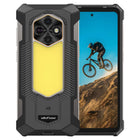
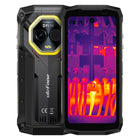
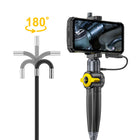
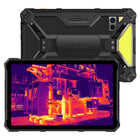
Ulefone's thermal-equipped Armor models — the Armor 28 Ultra Thermal Version, Armor 29 Pro Thermal Version, Armor 27T Pro+, and Armor Mini 20T Pro — put this in the same device you're already carrying. Our thermal imaging buying guide and model comparison break down which one fits which job.
Touchscreens, Gloves, and Wet Hands
Bare-handed phone use isn't always practical — chemical-handling gloves, winter gloves for forestry work, or hands that are simply wet or muddy. Rugged touchscreens are tuned to stay responsive with gloves on and to ignore rain or sweat on the screen, so the phone doesn't become the one tool you have to take your gloves off to use.
Matching the Feature to the Job
| Scenario | What to look for | Example Ulefone model |
|---|---|---|
| Long days off-grid (harvest, remote pasture checks) | 20,000mAh+ battery, fast charging | Armor 24 Pro, Armor 29 Ultra, Armor 34Pro+, Armor 33 series |
| Large property or forest block, crew coordination | PoC / walkie-talkie (needs cellular or Wi-Fi) | Armor 26 Ultra Walkie-Talkie |
| Remote or backcountry parcel with no signal at all | Two-way satellite messaging | Armor 23 Ultra |
| Livestock checks, equipment monitoring, night wildlife | Thermal imaging | Armor 28 Ultra Thermal, Armor 29 Pro Thermal, Armor 27T Pro+ |
| Washdown after chemical handling or barn work | IP69K-rated housing | Armor lineup (IP68/IP69K + MIL-STD-810H tested) |
FAQ
Do I really need a rugged phone for farm work, or will a case on a regular phone do?
A case protects the screen and body, but it doesn't seal the charging port, SIM tray, or speaker mesh — the places dust and moisture actually get in over a season of field use. It also doesn't add drop or vibration testing to internal components. A phone built and certified to IP68/IP69K and MIL-STD-810H is tested for exactly this kind of exposure; a case is a partial workaround.
What rating do I need if I hose down equipment or my hands after handling chemicals?
That's specifically what IP69K adds on top of IP68 — resistance to high-pressure, high-temperature water jets, not just submersion. See our IP68 vs IP69K breakdown for the exact test conditions.
How long does a 20,000mAh+ battery actually last in real field use?
It depends heavily on GPS, screen time, and radio/PoC use, but it's built for a full field day with margin left over — see our big battery explainer for real-world runtime numbers by use pattern.
Can I use a rugged phone as a walkie-talkie without any cell service?
Not with PoC — Push-to-Talk over Cellular still needs a data connection, just not a phone call. For areas with zero coverage, two-way satellite messaging (like on the Armor 23 Ultra) is the right tool instead.
Does thermal imaging on a phone actually work for checking on animals or equipment?
Yes, at a practical level — it's not lab-grade diagnostic equipment, but it's genuinely useful for catching temperature anomalies (a stressed animal, an overheating motor) early, before they become visible or expensive problems.