
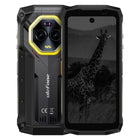
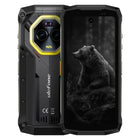







Thermal Imaging Phones: Who Actually Needs One (And Who Doesn't)
TL;DR: A built-in thermal imaging camera turns a rugged phone into a functional diagnostic tool — capable of spotting overheating components, insulation gaps, or leaks invisible to a standard camera. It's genuinely valuable for maintenance, electrical, HVAC, and mechanical roles, where it can catch problems before they become failures. For roles without a diagnostic component, it's an added cost that doesn't translate into usable value. This guide covers how thermal imaging actually works on a phone, who genuinely benefits, and what to check before paying the premium.
Thermal imaging cameras used to be standalone, expensive tools carried separately from a phone. Now they're built directly into select rugged phone models — but that doesn't mean every field worker needs one. The honest way to evaluate this feature is to ask whether your role involves diagnostic inspection at all, not whether the feature sounds impressive on a spec sheet.
How Thermal Imaging on a Phone Works
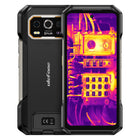
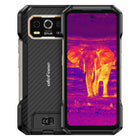
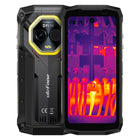
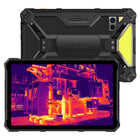
A thermal camera detects infrared radiation — heat — rather than visible light, and renders it as a color-mapped image where different temperatures appear as different colors (commonly a scale from blue/cool to red/hot). Unlike a standard camera, it doesn't need visible light to function, and it reveals temperature differences invisible to the naked eye — which is precisely what makes it a diagnostic tool rather than just a novelty camera mode.
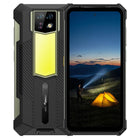
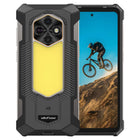
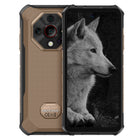
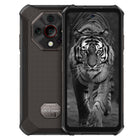
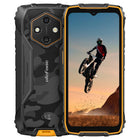
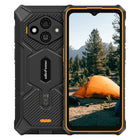
On rugged phones, this typically means a dedicated thermal sensor (from manufacturers like FLIR) integrated alongside the standard camera system, switchable within the camera app.
Who Actually Benefits from Thermal Imaging
Electricians — spotting overheating components, faulty connections, or overloaded circuits before they fail, often as a first-pass diagnostic before deeper testing with calibrated equipment.
HVAC technicians — identifying insulation gaps, duct leaks, and inefficient heat exchange that aren't visible through standard visual inspection alone.
Mechanics and equipment maintenance roles — detecting overheating in engines, bearings, or mechanical components during routine inspection, potentially catching a failure before it happens rather than after.
Building inspectors and energy auditors — identifying heat loss through walls, windows, and roofing, useful for both inspection reports and energy efficiency assessments.
Security and search-and-rescue roles — thermal imaging can detect body heat in low-visibility conditions, useful in security patrol or search scenarios, though with meaningfully more limited range and resolution than dedicated thermal-imaging equipment built specifically for that purpose.
Who Doesn't Need It
If your role doesn't involve diagnostic inspection — general labor, delivery, dispatch, standard warehouse work, or security without a search-and-rescue component — a thermal camera adds cost without functional return. It's a legitimate, valuable diagnostic tool for the roles above; it isn't a general-purpose feature that benefits every field worker, and treating it as one leads to overspending on a fleet rollout where most devices will never use the feature.
What to Check Before Buying a Thermal-Imaging Phone
Resolution, not just the presence of the feature. Higher-resolution thermal sensors provide clearer, more actionable images — check the specific sensor resolution, since "has a thermal camera" and "has a genuinely useful thermal camera" are different claims.
Temperature range and accuracy matched to your use case. Confirm the sensor's rated temperature detection range fits your diagnostic need — electrical work and HVAC work often have different practical temperature ranges of interest, and a sensor tuned for one may be less useful for the other.
It's a diagnostic aid, not a replacement for certified testing equipment. For roles requiring certified electrical or mechanical diagnostics, a phone's thermal camera is a useful first-pass tool, not a substitute for dedicated, calibrated testing equipment where regulations or safety protocols require it. Treating it as a full replacement in a regulated context is a real risk, not just a limitation.
Battery and storage impact. Thermal imaging features add to both power draw and app/storage requirements — confirm this doesn't meaningfully compromise the device's other field-use priorities, particularly battery endurance, for your specific role.
Final Thoughts
Thermal imaging is one of the clearest examples in the rugged phone category of a feature that's genuinely valuable for a specific subset of roles and genuinely unnecessary for everyone else. Before adding it to a fleet order, count how many people on your team actually do diagnostic inspection work as part of their job — that number, not the feature's general appeal, should drive the decision.
FAQ
Q: How accurate is a phone's built-in thermal camera compared to a dedicated thermal imaging tool? A: Phone-integrated thermal sensors have improved significantly, but dedicated standalone thermal imaging equipment generally still offers higher resolution and more precise temperature measurement for professional-grade diagnostic work. A phone's thermal camera is best understood as a convenient first-pass diagnostic tool, not a replacement for calibrated equipment in regulated contexts.
Q: Can a thermal camera see through walls? A: No — thermal imaging detects surface heat, not objects behind a solid barrier. It can reveal temperature differences on a wall's surface, which may indicate insulation gaps or hidden heat sources behind it, but it doesn't "see through" the wall itself.
Q: Is thermal imaging useful for general safety or security work? A: It can help in specific scenarios like detecting body heat in low-visibility conditions, but for most standard security roles without a search-and-rescue or specialized detection component, it isn't a primary feature to prioritize over battery life or standard camera quality.
Q: Does a thermal camera work at night or in complete darkness? A: Yes — thermal imaging detects heat, not visible light, so it functions independently of ambient lighting conditions. This is different from night vision cameras, which amplify available low light rather than detecting heat directly, and it's why thermal imaging remains useful in fully dark conditions where even night vision struggles.
Related Reading
For the full Armor model comparison, including which models include thermal imaging, see our complete rugged phone buying guide.