




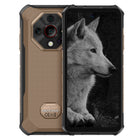
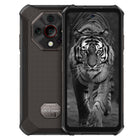
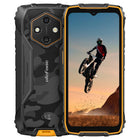
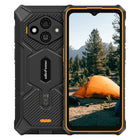
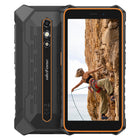
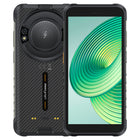
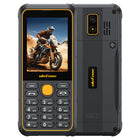
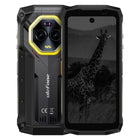
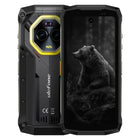

















Is a Rugged Phone Worth It? Rugged vs. Regular Smartphone Compared
TL;DR: A rugged phone typically costs more upfront than a regular smartphone, but for anyone working around drops, dust, water, or extreme temperatures, that premium is usually offset by avoiding repeat replacements, downtime, and data loss. A rugged case helps but doesn't replicate the sealed, internally reinforced engineering of a true rugged phone. Below, we break down the real cost comparison, the use cases where it actually matters, and when a regular phone is genuinely the better choice.
"Do I actually need a rugged phone, or am I just paying more for a phone that looks tougher?" It's a fair question — rugged phones cost more upfront, and the marketing language around durability can be hard to evaluate from a spec sheet alone. This guide compares rugged phones and regular smartphones on the factors that actually matter for a work-use decision: cost, durability, performance, and where each one genuinely makes sense.
What You're Actually Paying For
The price difference between a rugged phone and a regular smartphone isn't just a thicker case bolted onto standard internals. It typically reflects:
- Independent durability certification (IP68/IP69K, MIL-STD-810H) — testing that costs money to pursue and pass
- Reinforced internal engineering — shock-absorbing internal mounts, sealed ports, and gasket systems, not just a tougher exterior shell
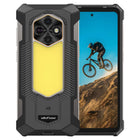
- Larger battery capacity — often 2-4x a standard smartphone, with some mega battery models built specifically to cover multi-day field assignments without a charger
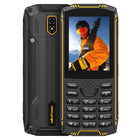
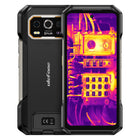
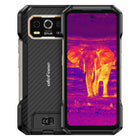
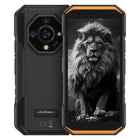
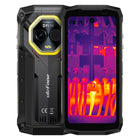
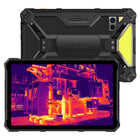
- Purpose-built features — glove-touch sensitivity, high-output speakers built to project clearly on loud industrial floors, and on select models, thermal imaging cameras for diagnostic and maintenance work
None of this is invisible marketing markup — it's engineering that costs more to build, which is why a rugged phone's price reflects genuine additional capability rather than just a durability claim.
Rugged Phone vs. Regular Smartphone: Side-by-Side
| Regular Smartphone | Rugged Phone | |
|---|---|---|
| Drop resistance | Vulnerable without a case; even cased, internal components aren't reinforced | Reinforced chassis and internal mounting, independently drop-tested |
| Water/dust protection | Often limited or splash-resistant only | IP68/IP69K rated — built and tested for submersion and pressure washing |
| Battery life | Standard capacity, typically needs daily charging | Often 2-4x standard capacity, built for full shifts or multi-day use |
| Temperature tolerance | Can throttle or shut down in extreme heat/cold | Tested to MIL-STD-810H temperature extremes |
| Glove compatibility | Not designed for it | Dedicated glove-touch mode on most models |
| Weight/thickness | Lighter, slimmer | Heavier, thicker — a direct tradeoff for battery size and reinforcement |
| Upfront cost | Lower | Higher |
| Typical replacement cycle in harsh conditions | 12-18 months (drop/water damage) | 3+ years (built for the environment) |
The Real Cost Comparison
A regular smartphone's lower sticker price only tells part of the story. In an environment with regular drops, dust, or water exposure, the realistic cost comparison looks more like this:
Regular smartphone in harsh conditions:
- Lower upfront cost
- Higher probability of cracked screens, water damage, or port failure within 12-18 months
- Replacement cost, plus downtime while a new device is set up
- Risk of data loss if the device fails suddenly rather than gracefully
Rugged phone:
- Higher upfront cost
- Meaningfully lower probability of failure from the specific hazards it's certified against
- Typically a 3+ year usable lifespan in the same environment
- Fewer unplanned replacement cycles and less associated downtime
For a single consumer using a phone mostly indoors, this math doesn't favor a rugged phone. For a crew of field technicians who are each dropping and exposing phones to dust or water on a regular basis, the math flips — the avoided replacement and downtime costs across a fleet of devices often exceed the upfront premium within the first year.
When a Rugged Phone Is Actually Worth It
- Construction and field service — daily exposure to drops, dust, and unpredictable weather
- Warehouse and logistics — dust, occasional drops from height, cold storage temperature extremes, and loud floor noise where a high-output speaker makes calls and alerts easier to catch
- Utilities and outdoor maintenance — sun exposure, water, and remote locations where a mega battery covers multi-day assignments without easy access to a charger
- Manufacturing and industrial floors — loud environments, dust, and occasional washdown procedures
- Maintenance, electrical, and HVAC diagnostics — roles where a thermal imaging camera turns the phone into an actual diagnostic tool, spotting overheating components or insulation gaps that a standard camera can't see
- Any role where downtime has a direct cost — a broken phone that can't be quickly replaced translates to lost communication, missed inspections, or delayed paperwork
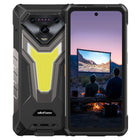
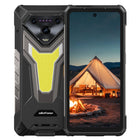
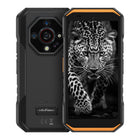
If you've decided a rugged phone makes sense for your work, our complete rugged phone buying guide covers the certifications to check and which Ulefone Armor model fits your specific job.
When a Regular Smartphone Is Genuinely the Better Choice
To be direct: not every job needs a rugged phone, and it's worth saying so plainly. If your work is primarily:
- Office-based or climate-controlled, with minimal exposure to drops, dust, or water
- Light field use — occasional outdoor time, but not daily exposure to harsh conditions
- Budget-constrained for a role where device failure risk is genuinely low
...then a regular smartphone, potentially paired with a good protective case, is the more practical and cost-effective option. Paying for IP69K water-jet resistance or MIL-STD-810H certification you'll never actually need isn't a smart tradeoff — the value of a rugged phone comes from matching its capabilities to a real, regular hazard in your work environment.
Common Objections, Addressed
"Rugged phones are too bulky." This is a genuine tradeoff, not a myth — the added weight comes from a larger battery and reinforced chassis. For most field and industrial roles, the extra bulk is a reasonable exchange for all-day battery life and drop protection.
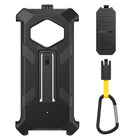
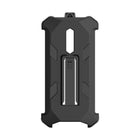
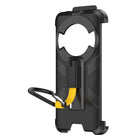
"A case does the same thing for less money." A case improves drop protection but doesn't seal ports against dust and water, doesn't reinforce internal component mounting, and doesn't carry an independently tested certification. It helps — but it's a different level of protection than a phone engineered for durability from the inside out.
"Rugged phones have worse cameras and performance." This was a fair criticism several years ago. Current rugged flagships use comparable chipsets, camera sensors, and displays to premium consumer phones — the durability features are additive, not a downgrade from standard performance.
How to Decide: A Simple Framework
- How often does your phone get dropped, dusty, or wet in a normal week? Rarely → regular phone. Regularly → rugged phone.
- What does a replacement actually cost you — not just the device, but downtime, data loss, and disruption? Low cost → regular phone is fine. High cost → the rugged premium pays for itself faster than it looks.
- Do you need extended battery life for full shifts without charging access? If yes, this alone often justifies a rugged phone regardless of drop risk.
- Are you outfitting one device or a fleet? At scale, avoided replacement costs compound — this tips the math toward rugged phones faster for teams than for individual users.
Final Thoughts
The honest answer to "is a rugged phone worth it" depends entirely on what your work actually exposes a device to. For construction, field service, logistics, and industrial roles with regular drops, dust, water, or extreme temperatures, the upfront premium is usually recovered within the first avoided replacement cycle — and the extended battery life alone often justifies the switch. For low-impact, office-based use, a regular smartphone remains the more practical choice. Match the phone to the actual hazard, not the marketing language.
Explore Ulefone's rugged phone lineup: Rugged Phones | Thermal Imaging Phone | Mega Battery Phone | Loudest Speaker Phone | Camping Light Phone